Siyan Kwon.
← Selected work

EV CHARGING / FOUR-WEEK CONCEPT STUDY

Know where to charge.
Know what happens next.

A connected charging concept that helps drivers find a station, understand charging progress, and plan their next move.

MY ROLE
UX research, synthesis,
interaction and UI design
DURATION
Four-week design sprint
DELIVERABLE
High-fidelity concept
and interaction prototypes

THE CONCEPT / BULOO

One experience.
Three moments of confidence.

Set up the vehicle. Check charging progress. Find the next station.

Original interface designs and interaction prototypes.
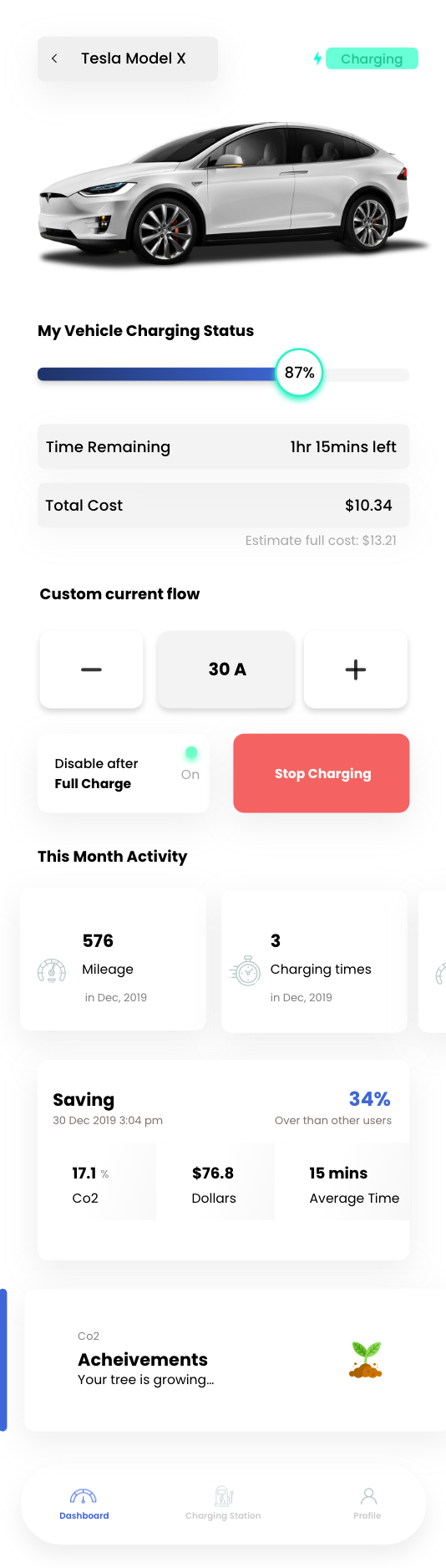
Charging dashboard
Charging dashboardView original ↗
Station and booking concept
Station and booking conceptView original ↗

The uncertainty extends beyond finding a plug.

The study explored Level 2 charging: locating the station, interpreting instructions, connecting the car, and confirming that charging had started. Research surfaced unclear locations, inconsistent indicators, limited power management, and range anxiety.

FIND

Where can I charge?

Make station discovery and route planning part of the same journey.

CONFIRM

Has charging started?

Give charging status and remaining time a clear place in the interface.

PLAN

What happens next?

Explore how vehicle context and trip planning could support the next decision.

Observe the charging experience in context.

I conducted research, organized findings, and translated them into interaction and interface concepts. Working closely with an EV owner, I used interviews, contextual observation, and testing of the existing charging experience. First- and third-person recordings helped reveal missing feedback across the task sequence.
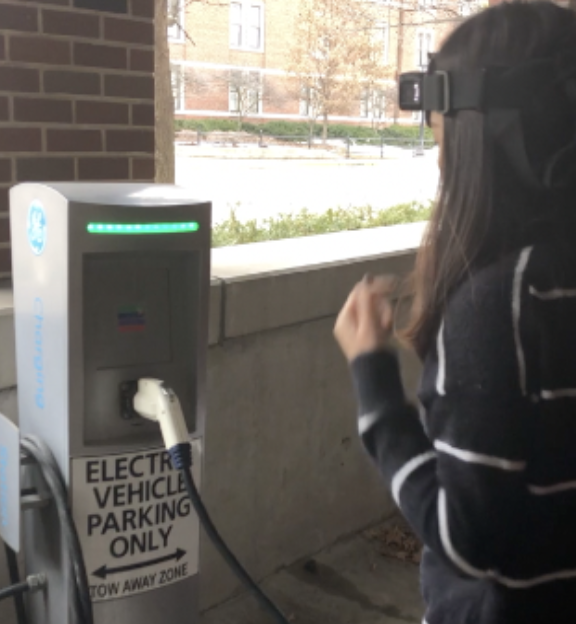
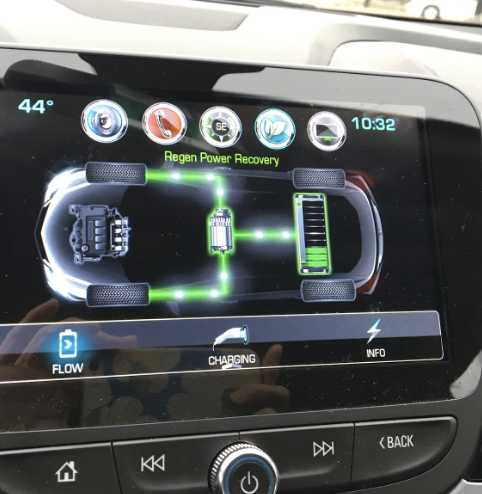
Contextual observation / Interacting with the charger.
Contextual observation / Interacting with the charger.View original ↗
Vehicle feedback / Understanding the existing status display.
Vehicle feedback / Understanding the existing status display.View original ↗

RESEARCH → DESIGN DIRECTION

Make system status visible at each transition.

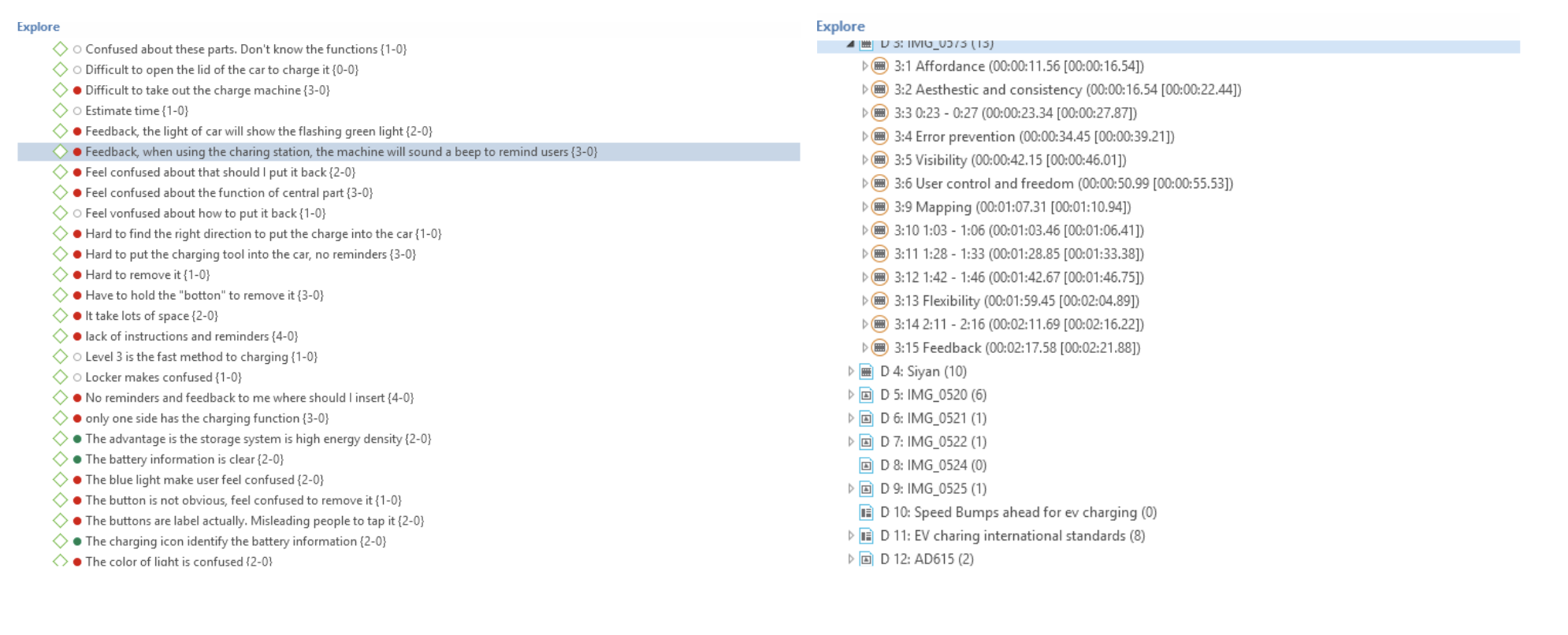
The findings connected uncertainty at the physical charger with a broader need for understandable location, connection, and progress feedback. I used affinity mapping and usability principles to organize these problems before designing the concept.
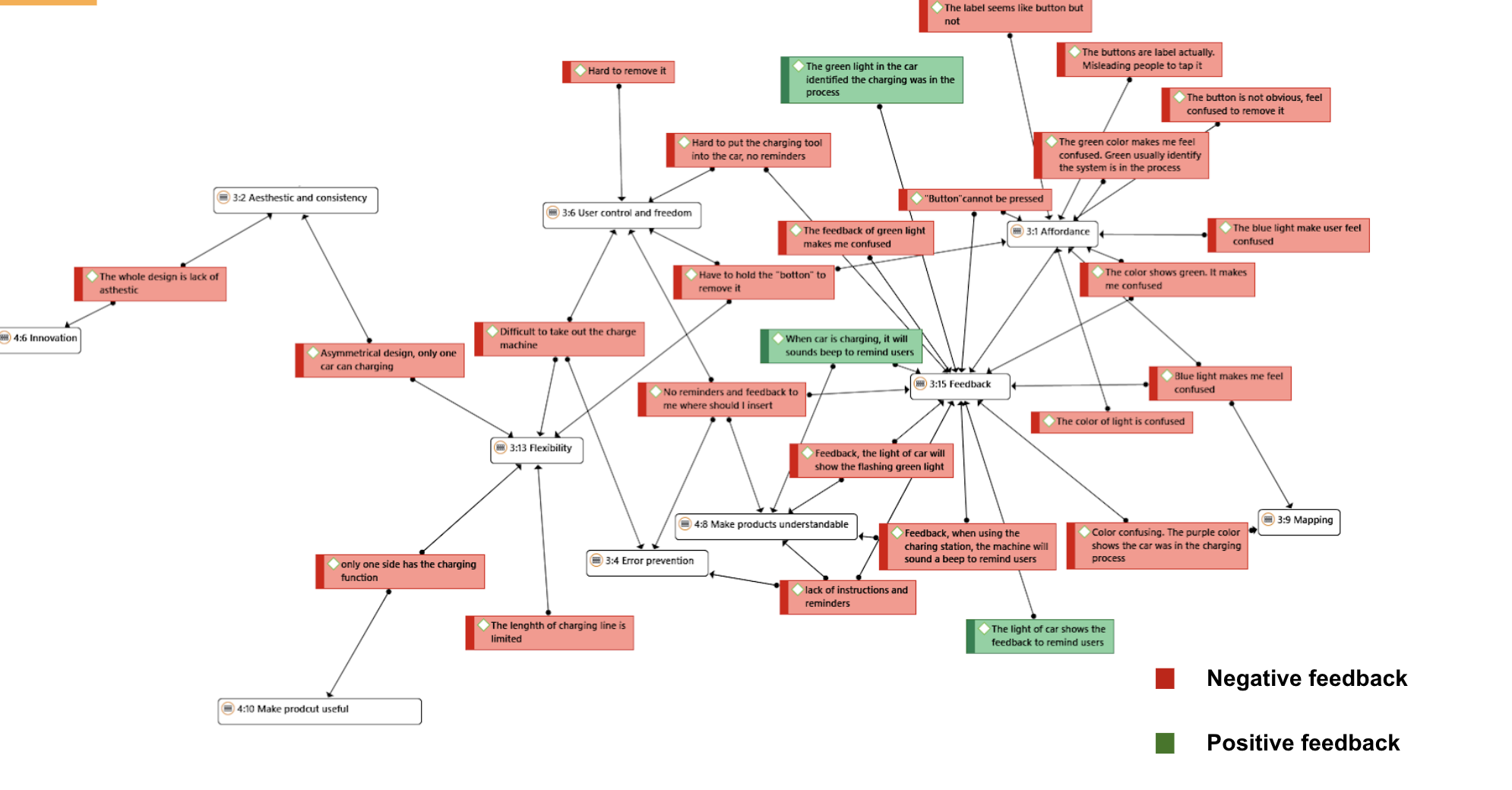
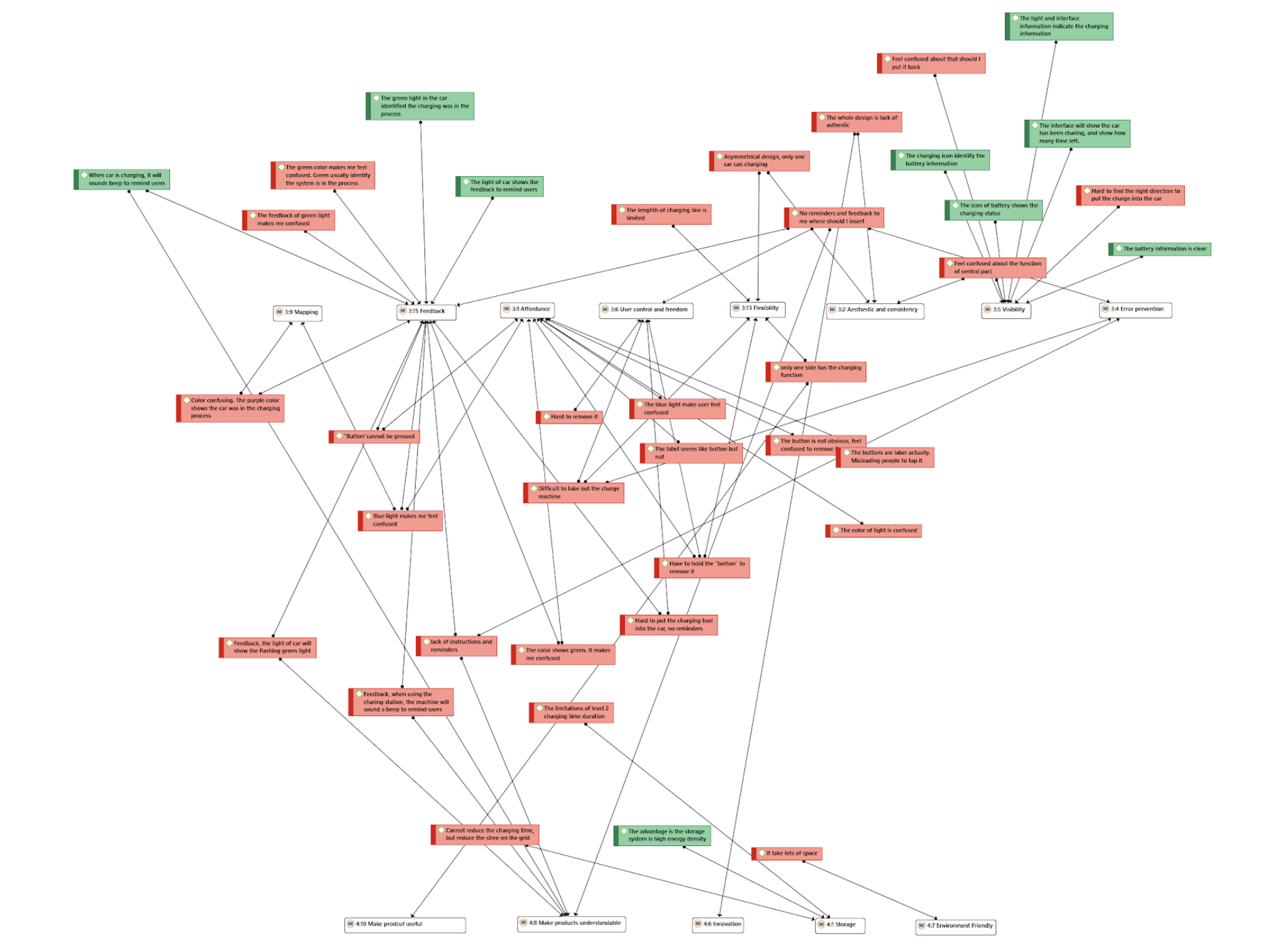
Synthesis / Mapping relationships between research findings.
Synthesis / Mapping relationships between research findings.View original ↗
Affinity mapping / Grouping positive and negative feedback.
Affinity mapping / Grouping positive and negative feedback.View original ↗
View original research notes and recordings
Original research notes.
Original research notes.View original ↗
First-person recording / Task sequence.
First-person recording / Task sequence.View original ↗
Third-person recording / Task sequence.
Third-person recording / Task sequence.View original ↗

WHY THESE FEATURES

Trace the concept back to the research.

Observed problemDesign responseQuestion to validate
Unclear station locationNearby discovery and route planningCan a driver choose and reach a suitable station?
Inconsistent connection and status feedbackA shared view of charging state and time remainingCan the driver tell whether charging is active?
Range anxiety and limited power managementVehicle context and planning conceptsAre estimates understandable and credible with real data?

Design rationale reconstructed from the original study. These questions are proposed evaluation criteria, rather than completed tests of the new interface.

Connect discovery, status, and planning.

I developed a high-fidelity concept spanning profile setup, a charging dashboard, and station discovery. Each part responds to a different point of uncertainty in the journey.

DESIGN DECISION 01

Start with the driver’s vehicle.

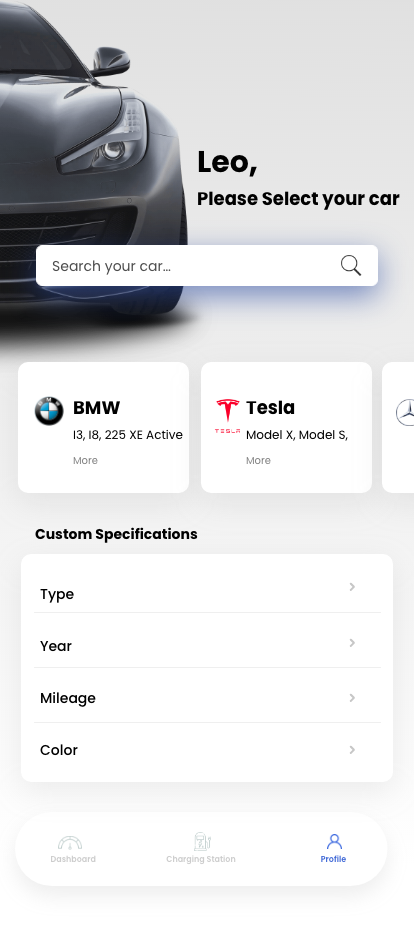
Profile setup captures vehicle information to establish context for the experience. The flow moves from sign-in to vehicle selection before the charging dashboard.
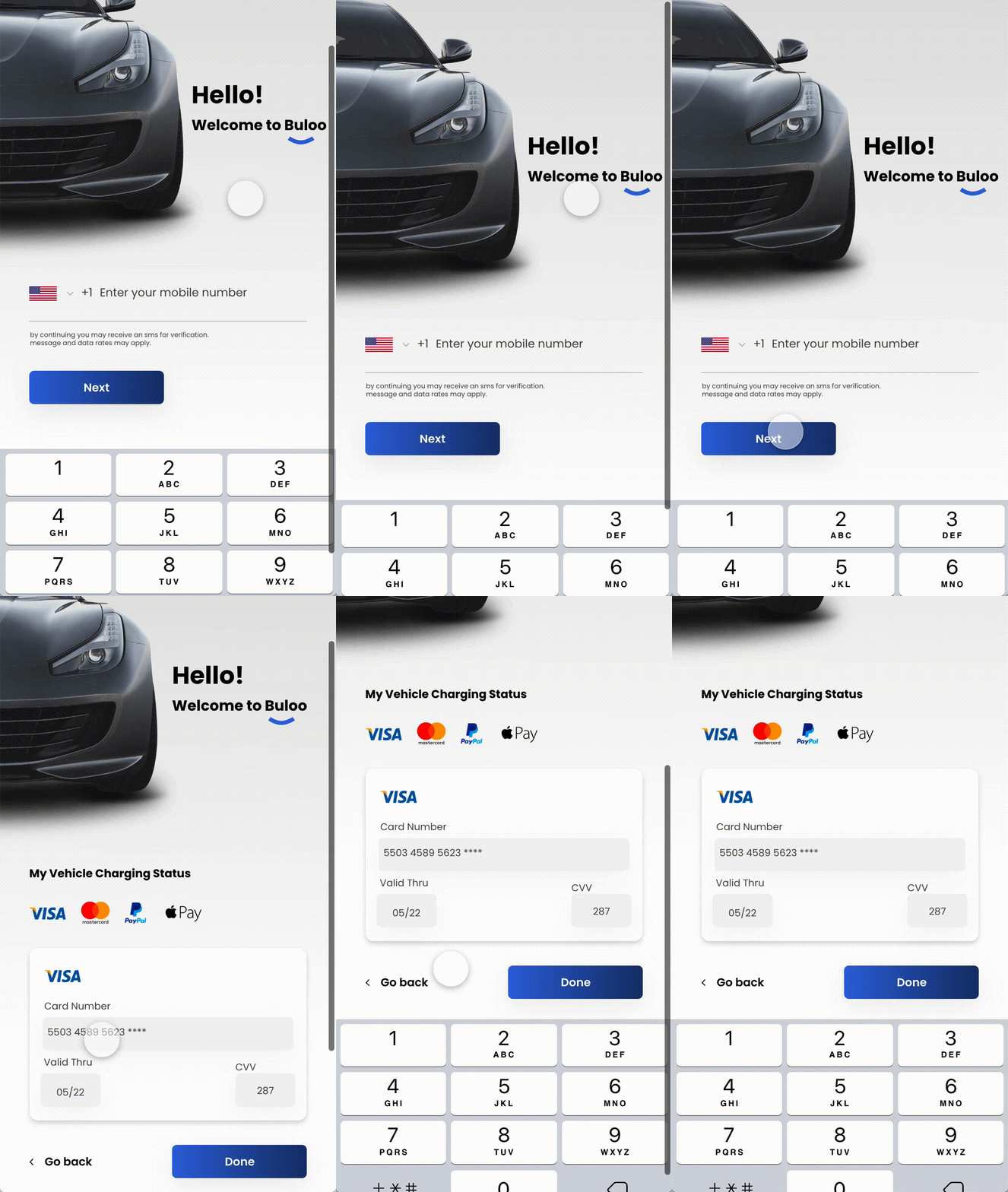
Interaction prototype / Sign-in.
Interaction prototype / Sign-in.View original ↗
Vehicle setup / Selecting a car.
Vehicle setup / Selecting a car.View original ↗
Onboarding flow / From sign-in to the dashboard.
Onboarding flow / From sign-in to the dashboard.View original ↗

DESIGN DECISION 02

Put charging progress in one place.

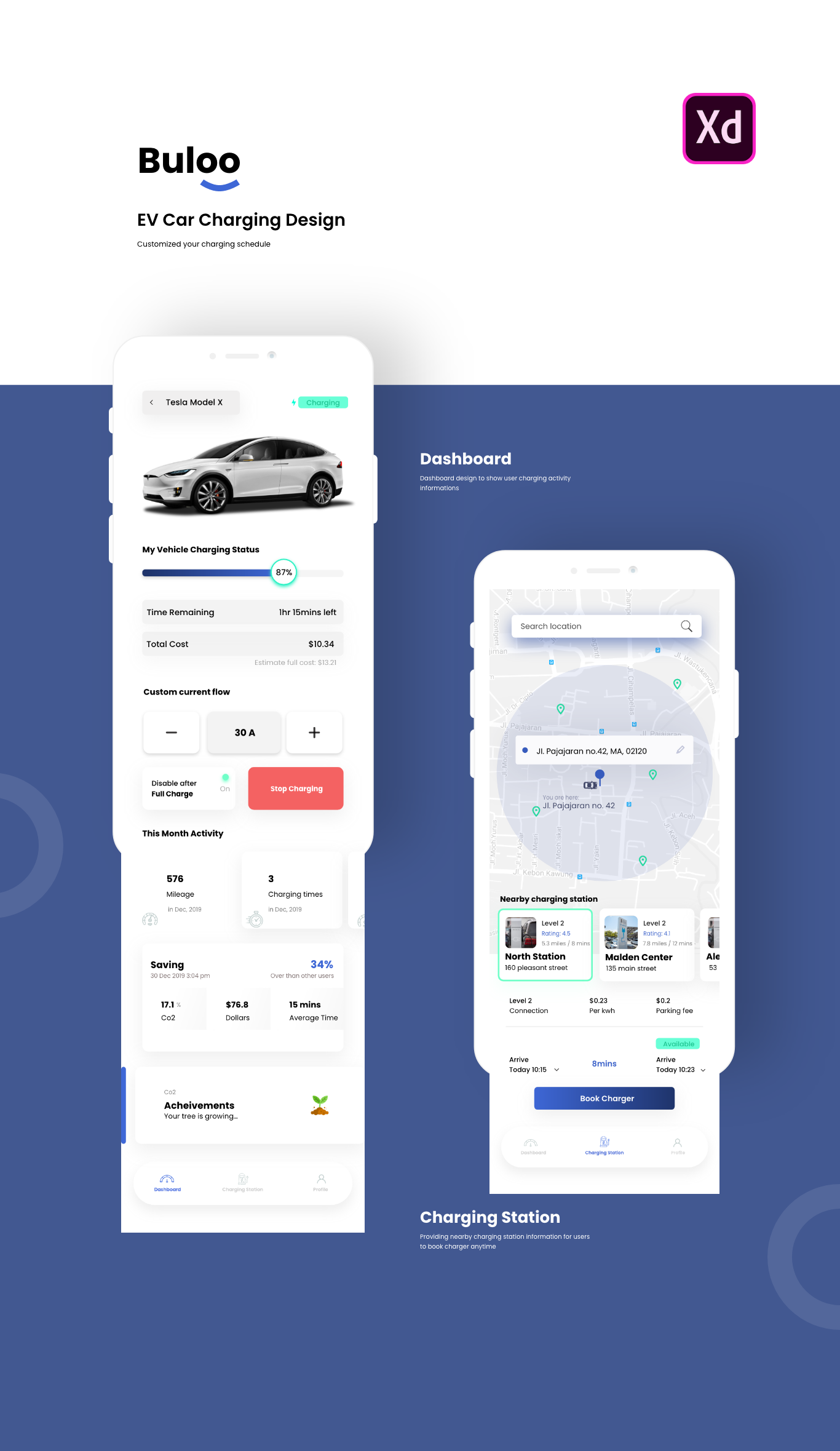
The dashboard brings charging status and remaining time into a shared view. A clear hierarchy is intended to help drivers check progress and decide what to do next without piecing together scattered indicators.
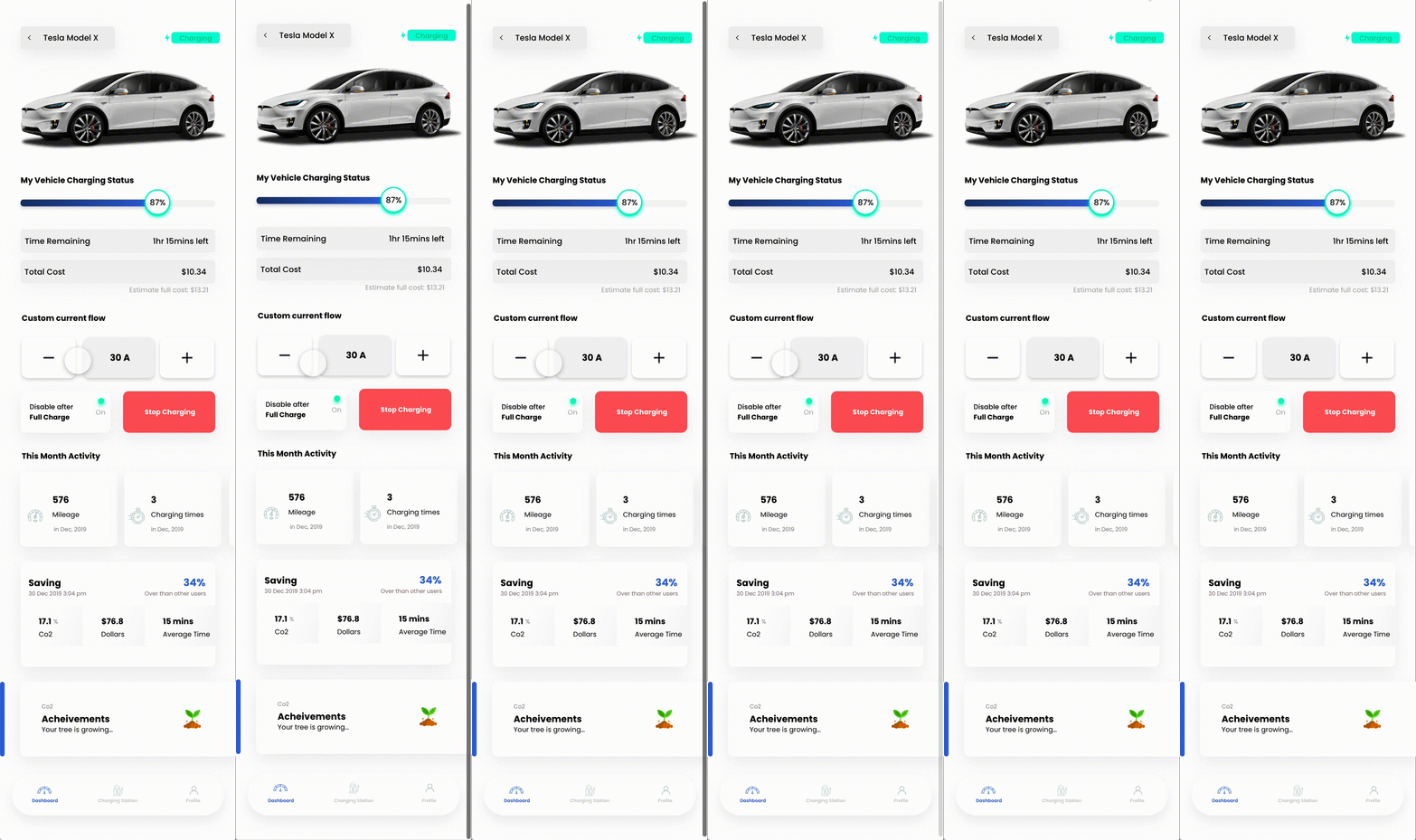
Interaction prototype / Charging dashboard.
Interaction prototype / Charging dashboard.View original ↗
Dashboard / Charging status and planning.
Dashboard / Charging status and planning.View original ↗

DESIGN DECISION 03

Carry discovery through to the next step.

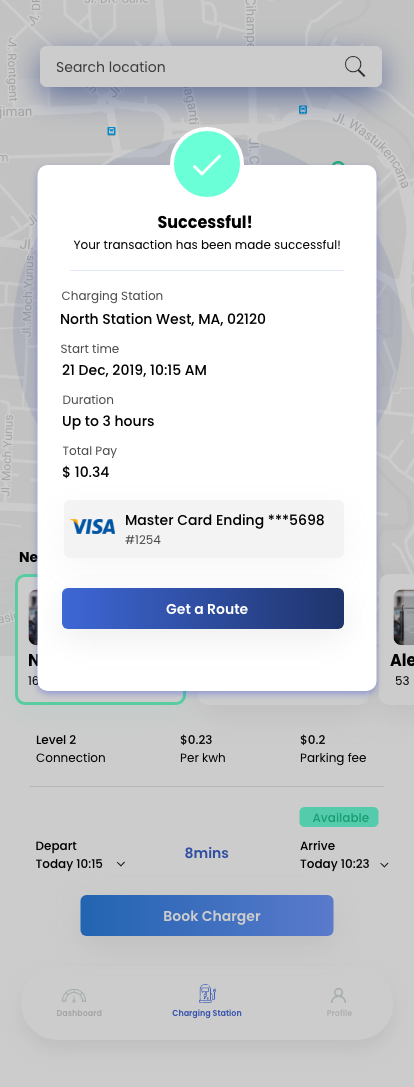
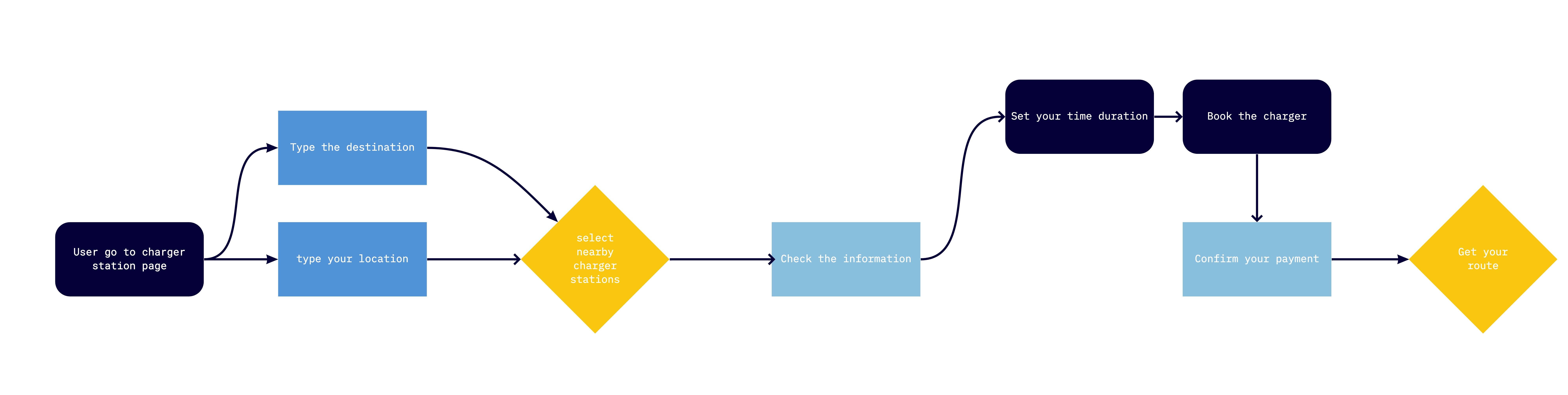
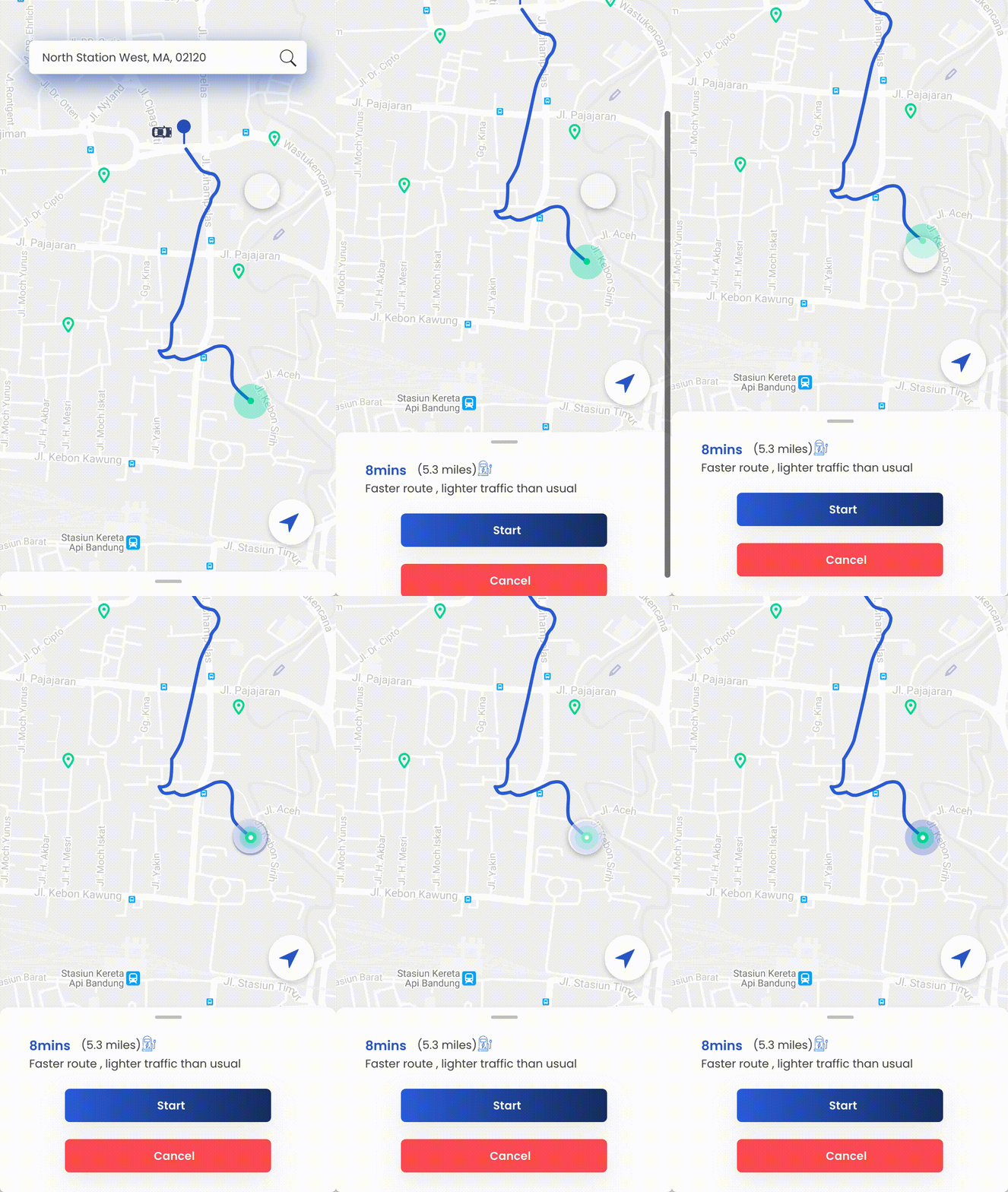
Nearby station discovery connects to station details, booking, and route planning. These interactions explore continuity between finding a charger and getting there; booking and availability would need integration with real infrastructure.
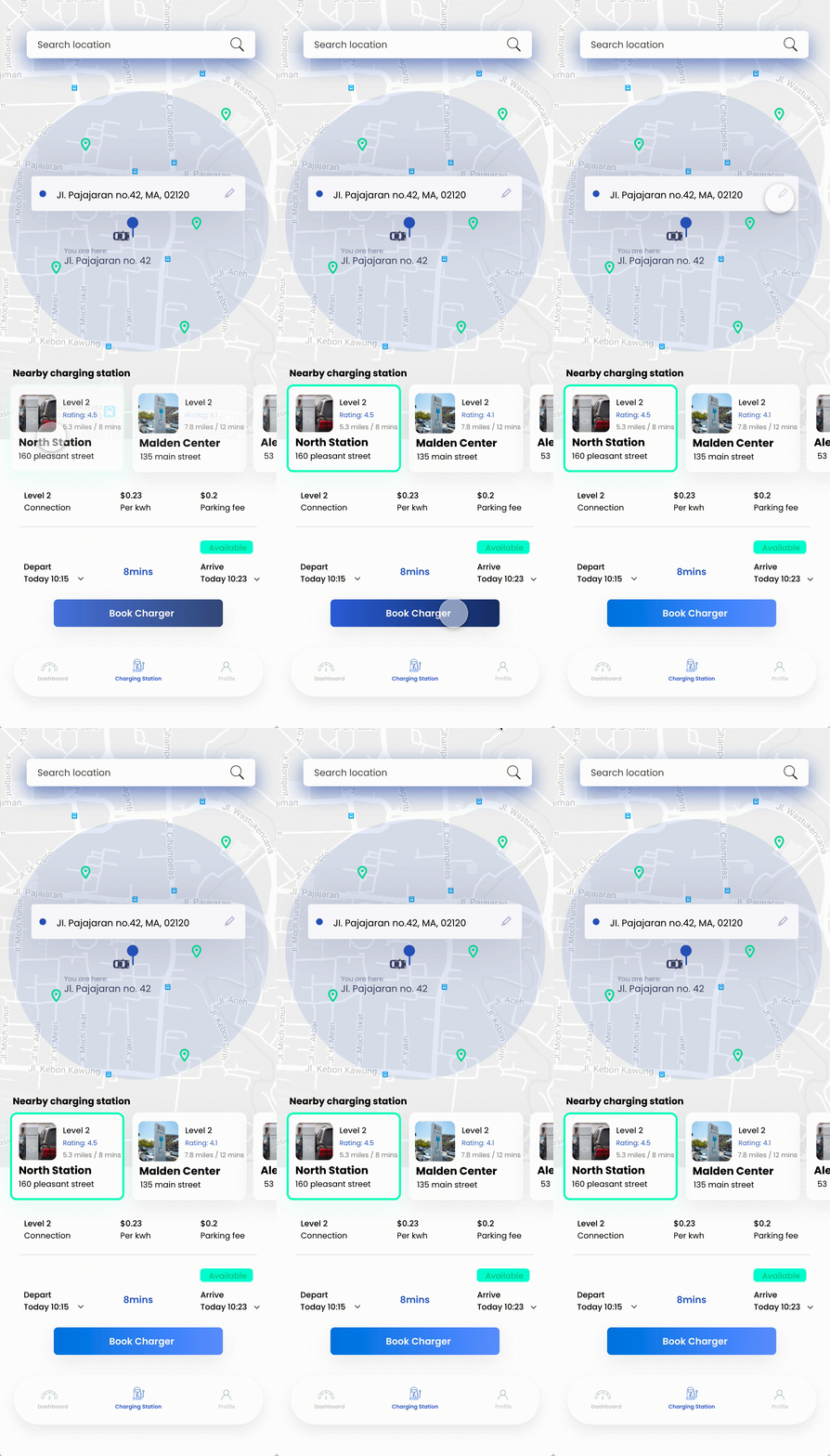
Interaction prototype / Station discovery.
Interaction prototype / Station discovery.View original ↗
Interaction prototype / Route planning.
Interaction prototype / Route planning.View original ↗
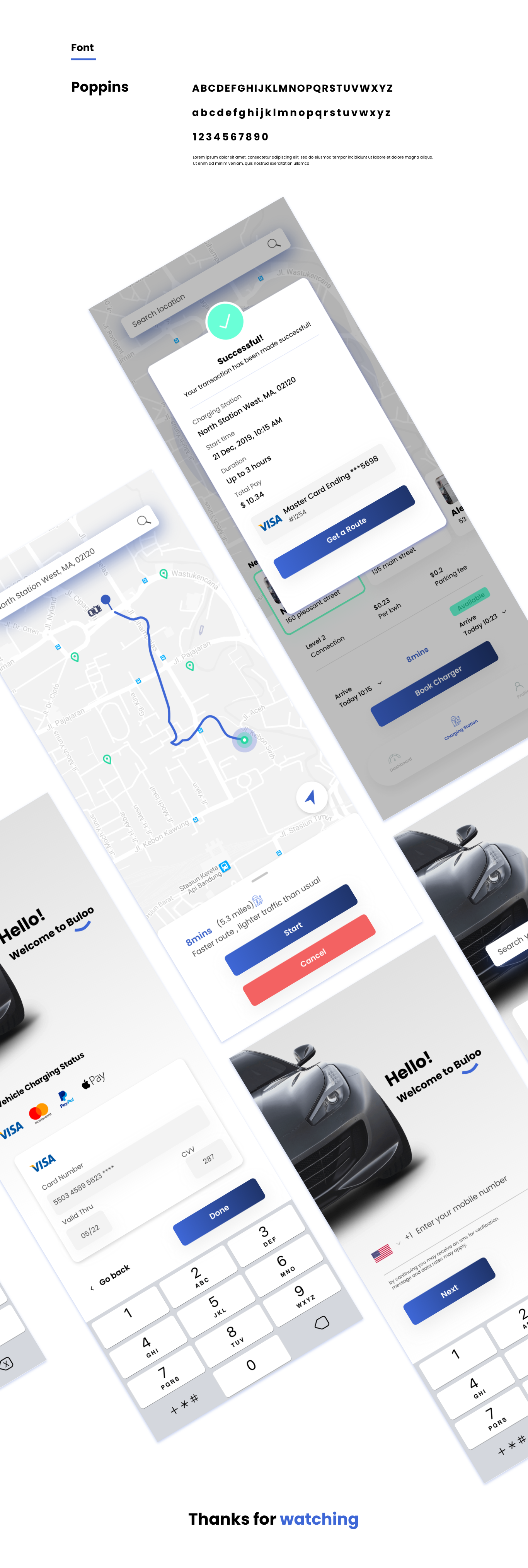
Booking concept / Confirmation state.
Booking concept / Confirmation state.View original ↗
Station flow / Connecting discovery and the charging journey.
Station flow / Connecting discovery and the charging journey.View original ↗

A coherent prototype—and clear questions to validate.

The output was a high-fidelity concept developed during a four-week sprint. The work connects research findings to a full charging journey; it does not establish the effectiveness of the proposed interface through post-launch results.

COMPREHENSION

Can drivers read the status?

Test whether people can explain the charging state and remaining time from the dashboard.

DISCOVERY

Can they find a suitable station?

Validate station selection and route planning with realistic availability and compatibility data.

TRUST

Can they rely on the estimate?

Trip estimation and booking require validation against real vehicle and charging-network data.
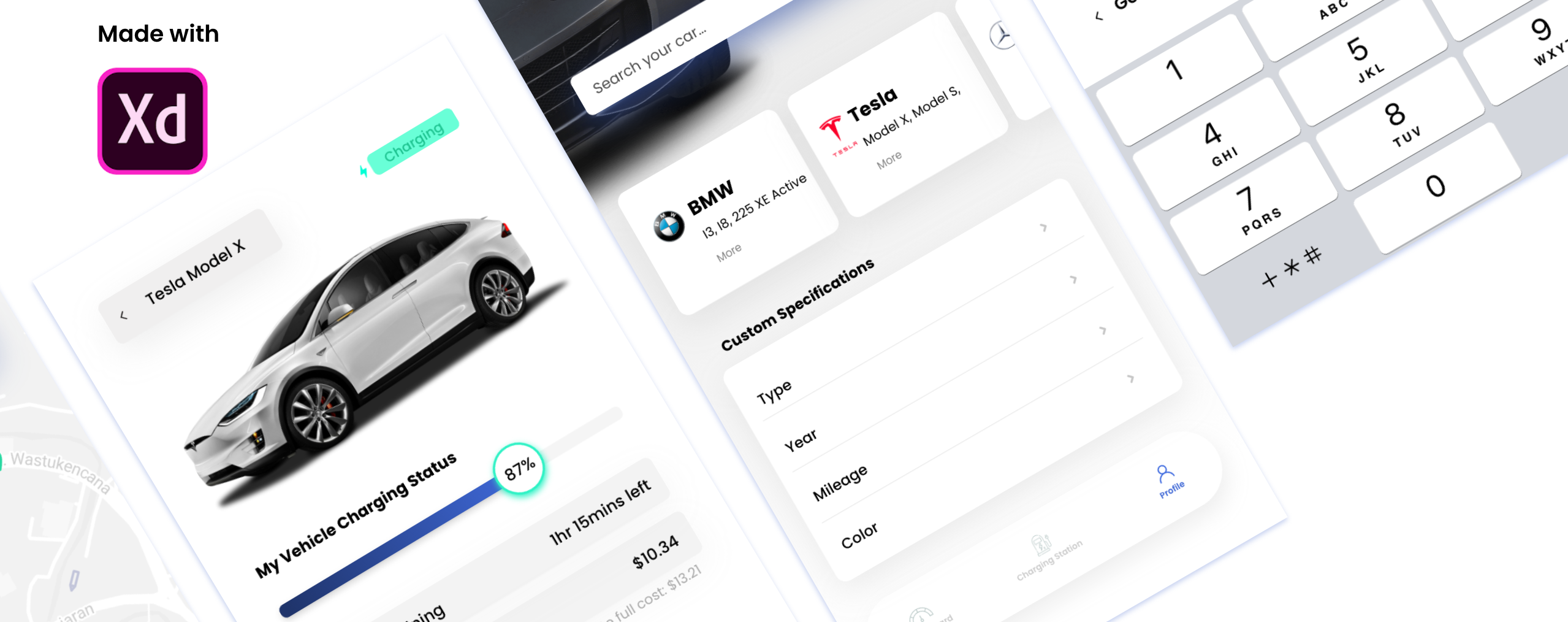
Explore the original presentation and additional interface details
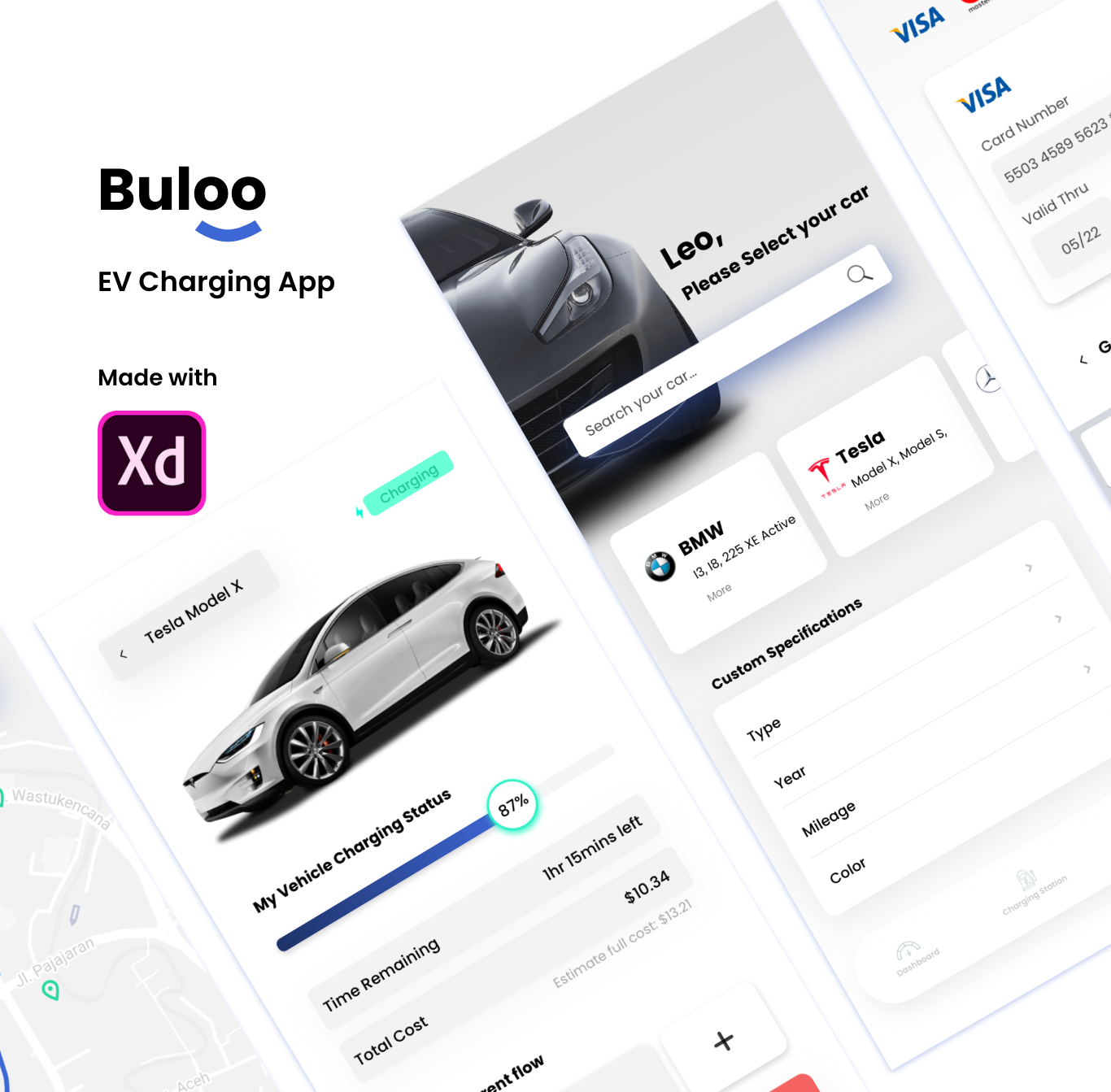
Original concept overview.
Original concept overview.View original ↗
Original project presentation.
Original project presentation.View original ↗
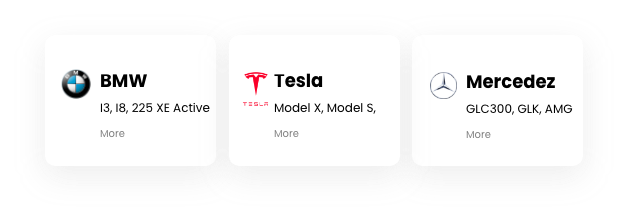
Vehicle-selection component.
Vehicle-selection component.View original ↗
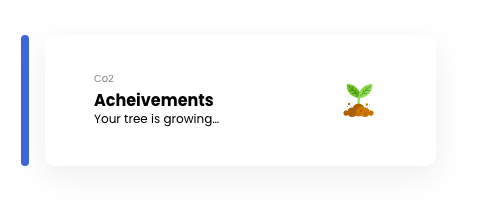
Achievement component.
Achievement component.View original ↗
Original dashboard presentation.
Original dashboard presentation.View original ↗
Original interface presentation.
Original interface presentation.View original ↗